Unlocking Customer Insights with RFM Analysis: A Powerful Tool for Businesses
What is RFM Analysis?
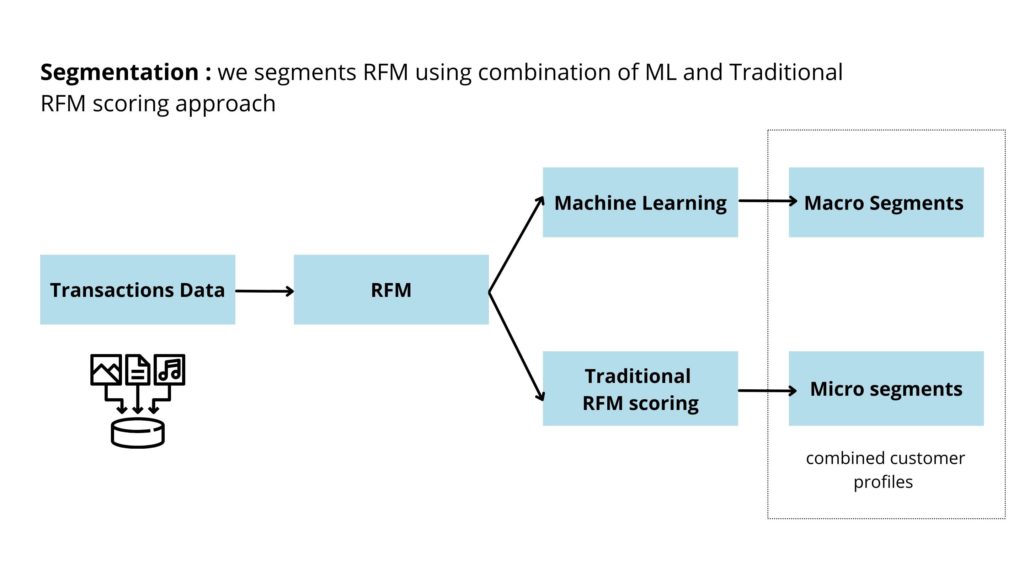
RFM analysis is a method of analyzing customer data to identify patterns and trends in their purchasing behavior. It takes into account three key factors: recency (how recently a customer made a purchase), frequency (how often a customer makes a purchase), and monetary (the amount a customer spends). By combining these factors, businesses can create a comprehensive picture of their customers' purchasing habits and identify areas for improvement.
How Does RFM Analysis Work?
RFM analysis works by assigning a score to each customer based on their recency, frequency, and monetary values. The scores are then combined to create an overall RFM score, which is used to segment customers into different groups. For example, customers with high recency, frequency, and monetary scores are typically considered to be the most valuable customers. On the other hand, customers with low scores may be considered to be at risk of churn.

Benefits of RFM Analysis
The benefits of RFM analysis are numerous. By segmenting customers based on their purchasing behavior, businesses can create targeted marketing campaigns that resonate with each group. For example, a business may offer loyalty rewards to customers with high RFM scores, or provide special discounts to customers who are at risk of churn. RFM analysis can also help businesses to identify areas for improvement in their customer service, such as reducing wait times or improving product quality.
Implications of RFM Analysis
The implications of RFM analysis are significant. By using RFM analysis, businesses can gain a deeper understanding of their customers' needs and preferences. This can lead to increased customer satisfaction, loyalty, and retention. Additionally, RFM analysis can help businesses to identify new opportunities for growth and revenue generation. For example, a business may use RFM analysis to identify customers who are likely to purchase complementary products or services. By offering these customers targeted promotions and discounts, the business can increase sales and revenue.
Improving Customer Segmentation With RFM Marketing Analysis

Improving Customer Segmentation With RFM Marketing Analysis
GitHub - AyaTareekAhmmeed/Customer-Segmentation-using-RFM-Analysis
GitHub - AyaTareekAhmmeed/Customer-Segmentation-using-RFM-Analysis
RFM Analysis: Transforming Customer Segmentation Strategy - Upshot.ai
RFM Analysis: Transforming Customer Segmentation Strategy - Upshot.ai